Eye Vitamins for Computer Eye Strain: What the Research Shows
Eye vitamins are not a proven fix for computer eye strain. A few small trials studied astaxanthin and lutein for screen-related eye fatigue, but the evidence is limited, and breaks, a good workstation and a current eye exam come first. This guide explains what those trials looked at, what they cannot tell you, and how the eye supplements we reviewed compare.
- Breaks, workstation setup and a current prescription are the best-supported ways to ease computer eye strain; supplements are secondary.
- Astaxanthin and lutein were studied for screen-related eye fatigue and visual performance, but the evidence is limited and not conclusive.
- Trials of ingredient combinations or children do not prove a benefit for any single ingredient or for adults.
- Blue light from devices is not clearly linked to macular degeneration, and no source shows a pill can block it.
- See an eye doctor for persistent symptoms or sudden vision changes, and check with a clinician before starting supplements.
Do eye vitamins help with computer eye strain?
They may support some visual functions in some people, but the evidence is early. Research on astaxanthin and on the macular carotenoids lutein and zeaxanthin has looked at screen-related eye fatigue and visual performance[1][2]. None of it shows that a supplement replaces the basic habits that ease screen discomfort.
The American Academy of Ophthalmology describes digital eye strain as a problem tied to how people use screens, including long stretches of focusing, reduced blinking and poor setup[3]. Because the main drivers are behavioral, the most reliable steps are behavioral too.
Supplements are a secondary option to discuss with an eye doctor or pharmacist, not a first-line plan.
Start with what addresses the cause
Common symptoms of digital eye strain include tired or irritated eyes, blurred vision and headaches after long screen sessions[3]. If dryness is the main complaint, the guide on dry eyes covers that overlap. If distance or near vision looks off, blurry vision is worth reading about.
The basics worth trying before any pill:
- The 20-20-20 rule. Every 20 minutes, look at something about 20 feet away for at least 20 seconds[3].
- Blink more often and consider lubricating drops if an eye doctor agrees[3].
- Adjust the workstation. OSHA's computer workstation guidance covers monitor position, lighting and glare[4].
- Check your prescription. Uncorrected refractive errors can cause blurred vision and eye discomfort, and glasses or contacts correct them[5].
Our page on how to relieve computer eye strain walks through these steps in more detail.
Astaxanthin and lutein for eye fatigue: what the trials did and did not show
Three of the papers we reviewed are most relevant here.
- A randomized trial studied a combination of anthocyanin, astaxanthin and lutein for effects on eye functions[1].
- A randomized, placebo-controlled trial studied astaxanthin in children with digital eye strain[6].
- A 2017 paper examined macular carotenoids and visual performance in people with high screen time[2].
What they suggest. Researchers consider these nutrients worth studying for screen-related visual comfort and performance. Astaxanthin was studied for digital eye strain, and macular carotenoids were studied in relation to visual performance with heavy screen use[6][2].
What they do not show.
- One ingredient can't be credited. The combination trial tested several ingredients together, so any effect cannot be assigned to astaxanthin or lutein alone[1].
- The children's trial may not apply to adults. Its findings may not carry over to adults at a desk[6].
- Performance measures are not symptoms. An improvement on a visual performance test does not necessarily mean fewer symptoms in daily life[2].
- Finished products weren't tested. None of these papers tested the specific multi-ingredient products sold online, which differ in ingredients and amounts.
Check each paper's abstract for the measures used, the group studied and the size of any effect before drawing conclusions. For background on the carotenoids, see lutein and zeaxanthin and the guide to lutein, zeaxanthin and astaxanthin together.
Blue light blocking supplements: what to know
Marketing often links screens, blue light and permanent eye damage, then offers a supplement as a shield. The evidence is more cautious than that.
Harvard Health addresses whether blue light from electronic devices raises macular degeneration risk, and it does not support the alarming framing common in ads[7]. The American Academy of Ophthalmology attributes digital eye strain mainly to how screens are used, such as prolonged focus and reduced blinking, not to blue light damage[3].
No source we reviewed shows that a pill filters blue light before it reaches the eye. Carotenoids such as lutein and zeaxanthin are studied for their presence in the macula and their role in visual performance, not as a supplement-sized sunscreen[2]. Treat any "blue light blocking supplement" claim with caution.
If screen headaches are your main concern, see our page on blue light and headaches.
Who might consider eye supplements for screen use
A supplement may be worth discussing with a professional if you:
- spend many hours a day on screens and still have symptoms after fixing your workstation and habits;
- have a diet low in colorful vegetables and other carotenoid-rich foods;
- are older and already follow an eye doctor's advice on eye health; our guide to eye vitamins over 50 covers that group.
Talk to a doctor first if you are pregnant or nursing, take medication (especially blood thinners), smoke, or have an eye condition. Some ingredients, including zinc, vitamin A and beta-carotene, carry dose-related risks, so check your total intake from all supplements.
Persistent blurred vision, eye pain, flashes, floaters or sudden vision changes need an eye exam, not a supplement. For more on nutrients in general, see our nutrients and supplements page.
How the eye supplements we reviewed compare
None of the four products below has published clinical trial data on the finished product that we could verify, and amounts are not disclosed for most ingredients. The most we can say is that some listed ingredients relate to topics researchers have studied. None is shown to treat, cure or prevent eye strain or any eye disease.
VisiFlora is the featured product. Its listed ingredients include astaxanthin, lutein and zeaxanthin from marigold, bilberry extract, vitamin C, vitamin E, zinc, lycopene and saffron extract. The astaxanthin and the lutein and zeaxanthin match the nutrients in the trials above, which may support visual comfort and macular pigment, though those trials did not test this formula[1][2]. Ingredients such as ginkgo, eyebright, coleus forskohlii and taurine have no good evidence for screen-related eye strain. The vendor cites no clinical data on the finished product and does not publish most amounts. It offers a 60-day money-back guarantee per the vendor. See VisiFlora ingredients for a closer look.
TheyaVue names eight ingredients, including lutein, zeaxanthin, vitamin C, vitamin E, zinc, bilberry extract and rutin, though the vendor claims 24. It has no astaxanthin. Lutein and zeaxanthin are the part most relevant to macular carotenoid research.
Vision 20 lists lutein, zeaxanthin, beta-carotene, lycopene, zinc, taurine, bilberry extract and others. Smokers should avoid beta-carotene supplements, and vitamin A and zinc can be harmful at high intake. It has no astaxanthin, and amounts are not disclosed.
iGenics lists ginkgo biloba, bilberry, saffron, turmeric and an AREDS-2 style blend that is not itemized. The AREDS2 research involved people with existing macular degeneration, not screen users, so it does not speak to computer eye strain. Ginkgo may interact with blood thinners.
For most screen users, none of these has evidence that outweighs fixing breaks, setup and prescription first.
Eye supplements we have reviewed
Want to compare products? Read what the research says about nutrients for eye strain first, then compare the products below.
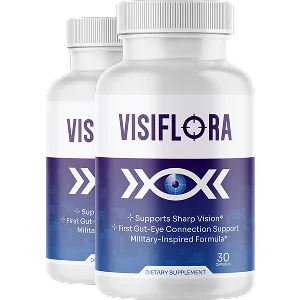
VisiFlora
Astaxanthin, lutein and zeaxanthin from marigold, and bilberry relate most closely to the astaxanthin and macular carotenoid research, but the trials did not test this formula and amounts are not disclosed. Ginkgo, eyebright, coleus forskohlii and taurine have no good evidence for screen-related eye strain.
Listed ingredients: Astaxanthin, Vitamin C, Vitamin E, Copper, Selenium, Chromium
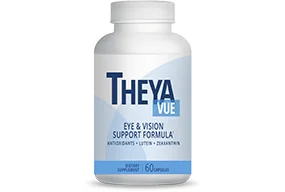
TheyaVue
Lutein and zeaxanthin are the ingredients most relevant to macular carotenoid research on screen use. It contains no astaxanthin, only eight of the claimed 24 ingredients are named, and no amounts or finished-product trials are shown.
Listed ingredients: Lutein, Zeaxanthin, Vitamin C, Calcium, Vitamin E, Bilberry Extract
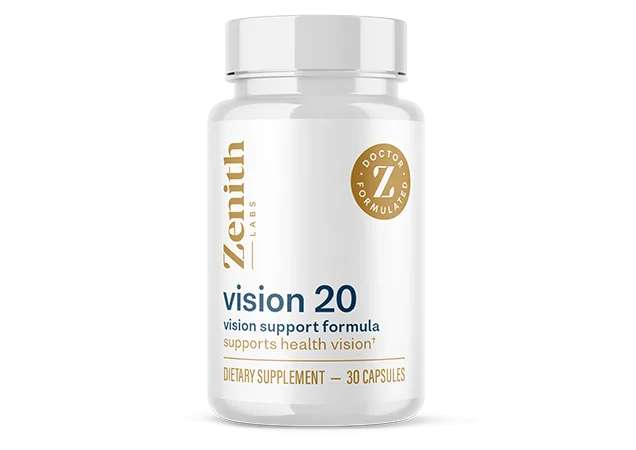
Vision 20
Lutein and zeaxanthin relate to the macular carotenoid research, but amounts are not disclosed and the formula was not tested. It has no astaxanthin, and beta-carotene is not advised for smokers while vitamin A and zinc carry dose-related risks.
Listed ingredients: Lutein, Zeaxanthin, Zinc, Beta-carotene, Lycopene, Rose Hips
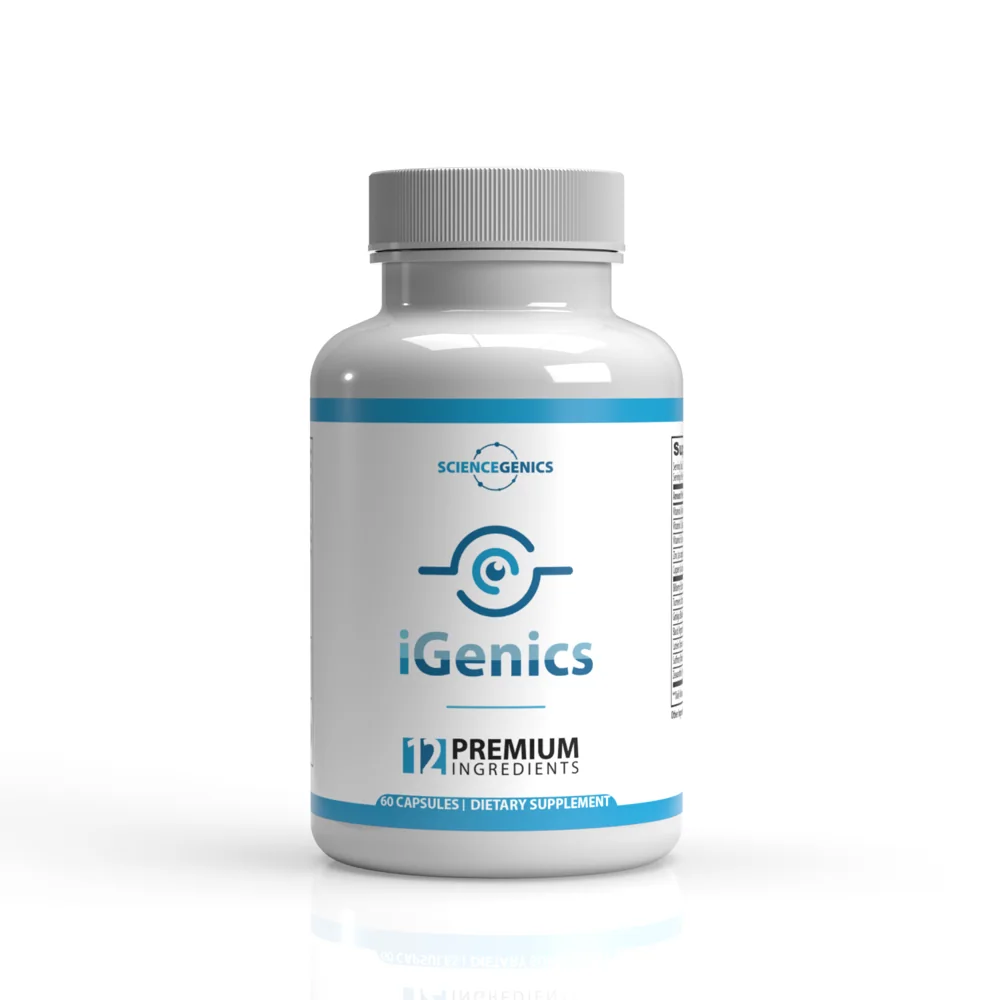
iGenics
Its AREDS-2 style blend was studied in people with existing macular degeneration, not for computer eye strain, and the ingredients are not itemized. Ginkgo, bilberry, saffron and turmeric have no good evidence for screen-related eye fatigue, and ginkgo may interact with blood thinners.
Listed ingredients: Ginkgo biloba, AREDS-2 formula ingredients (not itemized), Bilberry, Saffron, Turmeric + BioPerine
Frequently asked questions
What are the best eye vitamins for computer strain?
No eye vitamin is proven to relieve computer eye strain. Astaxanthin, lutein and zeaxanthin have been studied for screen-related eye fatigue and visual performance, but the evidence is limited[1][2]. Start with breaks, workstation changes and an eye exam.
Does astaxanthin help with digital eye strain?
Astaxanthin was studied for digital eye strain in a randomized, placebo-controlled trial in children[6]. That is early evidence in a specific group, so it does not settle whether it helps adults. Ask an eye doctor or pharmacist before trying it.
Do blue light blocking supplements work?
No source we reviewed shows that a supplement blocks blue light. Harvard Health discusses whether device blue light raises macular degeneration risk and does not support alarming claims[7], and the American Academy of Ophthalmology ties eye strain mainly to screen habits[3].
What helps eye strain most?
The American Academy of Ophthalmology recommends habits such as the 20-20-20 rule and blinking more[3]. OSHA's workstation guidance covers monitor position, lighting and glare[4]. An eye doctor can also check whether a refractive error needs correcting[5].
Sources
- J Clin Biochem Nutr 2021: anthocyanin, astaxanthin and lutein on eye functions, randomized trial
- Stringham et al. Foods 2017: macular carotenoids and visual performance with high screen time
- American Academy of Ophthalmology: Computers, digital devices and eye strain
- OSHA: Computer workstations
- National Eye Institute: Refractive errors
- Adv Ther 2025: astaxanthin and digital eye strain in children, randomized placebo-controlled trial
- Harvard Health: Will blue light from electronic devices increase my risk of macular degeneration?